
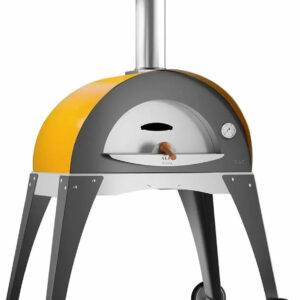
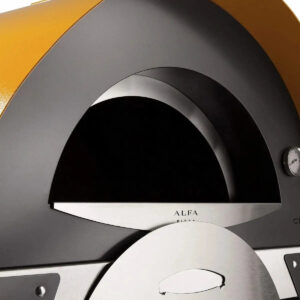
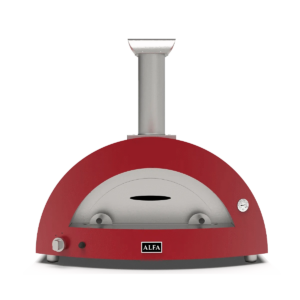
Alfa Ciao wood stove in fire yellow with gray base
A powerful addition to your outdoor cooking system. With a fireproof base and stainless steel dome, this oven can accommodate two pizzas at once and is perfect for entertaining a crowd. The Alfa Ciao wood-fired pizza oven quickly reaches cooking temperature in just 15 minutes, ensuring you can enjoy
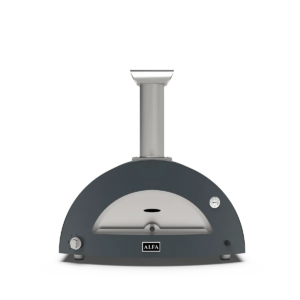
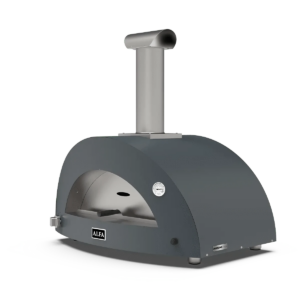
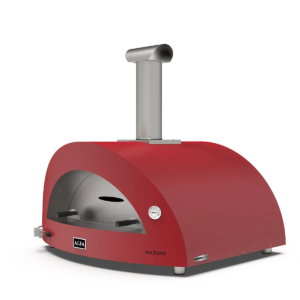
Alfa Moderno 3 Pizza pizza ovens
Bring the popular taste of Neapolitan pizza into your home and provide the perfect solution for serving crispy, melt-in-your-mouth pizzas to a crowd in just 30 minutes after lighting. Crafted with Italian precision and innovation, this oven combines modern design with compact size, making it an ideal addition
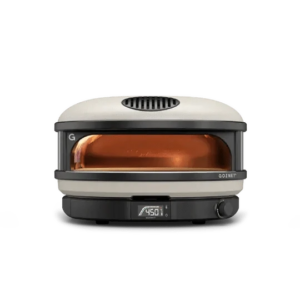
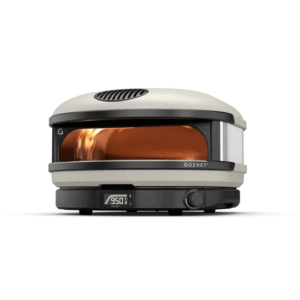
Gozney Arc XL pizza ovens
The Gozney Arc XL takes compact pizza ovens to the next level, combining Gozney's renowned craftsmanship with a sleek, space-saving design that delivers outstanding cooking performance. Despite its compact footprint, the Arc XL offers a spacious interior, allowing you to create restaurant-quality 16-inch pizzas
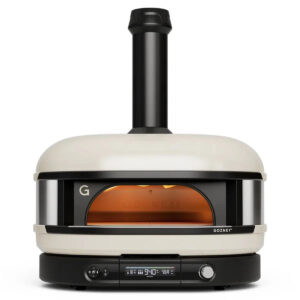
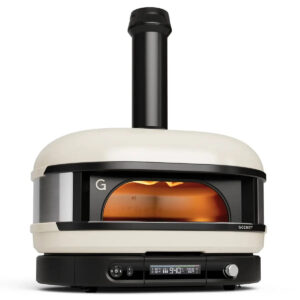
Gozney Dome Gen 2 pizza oven
Bring real, restaurant-quality fire cooking to your home with the Gozney Dome Gen 2, now from All Things Barbecue. Redesigned with 40 % more cooking space, this versatile multi-fuel oven allows you to use wood, charcoal or propane for authentic taste and precise results. Equipped with integrated digital controls,
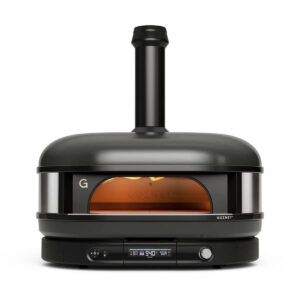
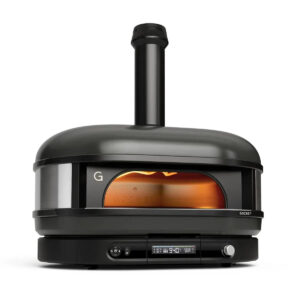
Gozney Dome XL Hybrid Pizza Oven
The Gozney Dome XL Hybrid Pizza Oven brings restaurant-level fire cooking to your backyard. With 90 % more cooking surface than the original Dome, digital controls, two meat probes and flexible hybrid fuel selection (wood, gas or charcoal), it is designed to satisfy both pizza lovers and serious outdoor chefs.
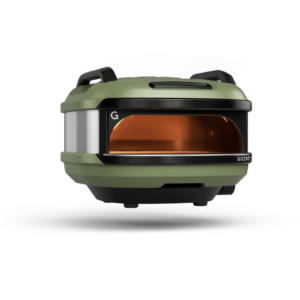
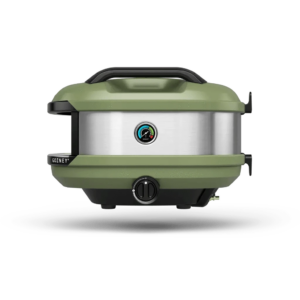
Gozney Tread Propane Pizza Oven
Introducing the Gozney Tread Propane Pizza Oven, the ultimate portable cooking companion. With extremely portable, extremely durable insulation and a robust accessory system, you can enjoy delicious pizza and high-temperature cooking anywhere. Equipped with a side flame and space for a 12" pizza or similar
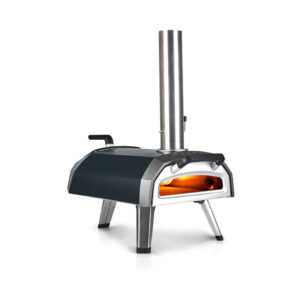
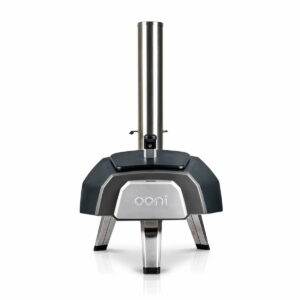
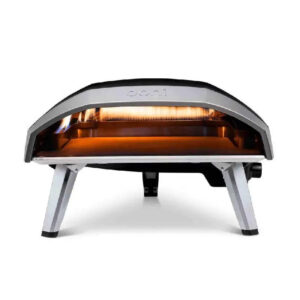
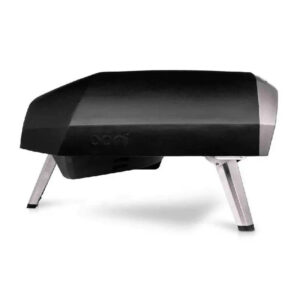
Ooni Koda 16 pizza oven
Designed to quickly prepare Neapolitan-style pizzas up to 16 inches in diameter, providing more space for a wider variety of dishes such as steak, fish, vegetables and more. Building on the success of the original Koda model, the larger version of the Ooni Koda 16-inch pizza oven offers improved cooking capabilities
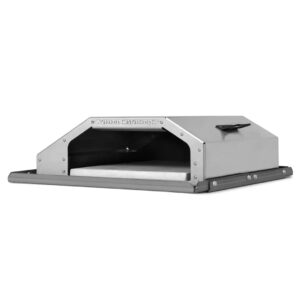
Yoder Smokers Stainless Steel Wood Stove YS1500
Many people may associate wood-fired ovens exclusively with pizza, but this insert takes your grilling options to a whole new level. Unleash your creativity as you explore a wide range of cooking options, from making authentic Neapolitan pizzas to frying and baking with finesse. Harness the impressive
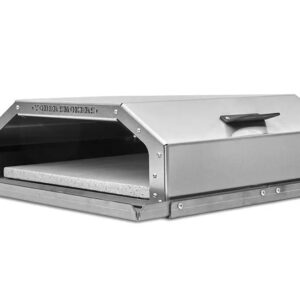
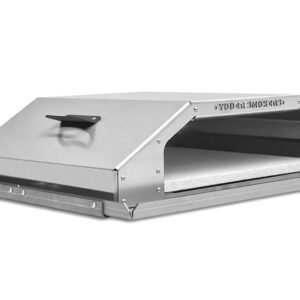
Yoder Smokers XL 17″ wood stove for YS1500
The most advanced and powerful wood burning system ever developed for a pellet grill platform. The Yoder Smokers XL wood-fired oven is specifically designed to utilize the full power of the Yoder Smokers pellet cooking system. The XL transforms your YS1500 into a precisely controlled, high heat outdoor oven
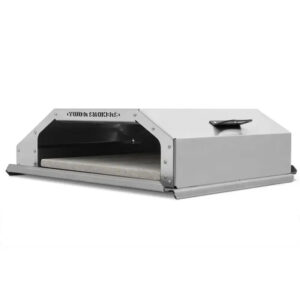
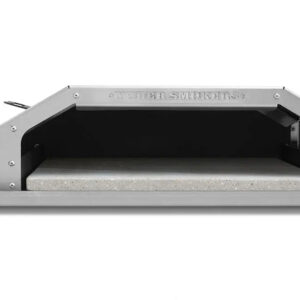
Yoder Smokers XL 17″ wood stove for YS640
The most advanced and powerful wood burning system ever developed for a pellet grill platform. The Yoder Smokers XL wood-fired oven for the YS640 is specifically designed to utilize the full power of the Yoder Smokers pellet cooking system. The XL turns your YS640 into a precisely controlled, high heat oven
Outdoor pizza ovens & pizza makers: Real stone oven pizza in your own garden
Crispy, airy and baked in under 90 seconds: an outdoor pizza oven brings the fire of the Neapolitan pizzeria straight to your home. In this guide you will learn everything about temperatures, fuels, baking surfaces and the art of the perfect dough.
Why an outdoor pizza oven will change your grilling season
Anyone who has ever tried a real stone oven pizza will immediately understand why the home oven simply cannot keep up. The crucial difference lies in the heat. While your kitchen oven reaches its limits at a maximum of 250 to 300 °C, a good outdoor pizza oven can easily reach 450 to 500 °C. It is precisely this extreme top heat that is the secret behind the perfect pizza: a wafer-thin, blistered edge with dark roasted spots, a delicately melting topping and a base that remains crispy on the outside and airy on the inside.
But an outdoor pizza oven is much more than just a kitchen appliance for the garden. It is an experience. You're standing outside by the fire, the smell of beech wood is in the air, friends and family are sitting around and everyone is topping their own pizza to their liking. A finished pizza moves from the oven to the plate in 60 to 90 seconds, and you then add the next one. This turns dinner into a sociable ritual that is much closer to the Italian way of life than to classic German barbecue.
Added to this is the flexibility. Modern ovens are often compact, lightweight and ready to use in minutes. You don't have to put a brick oven costing several thousand euros in your garden to get top quality. A mobile pizza oven fits on any terrace, any balcony with sufficient safety distance and can even travel with you to the campsite. For everyone who already has one Grill or smoker the pizza oven is the logical addition that takes outdoor cooking to a new level.
How a Pizza Oven Works: The Physics Behind the Perfect Crust
To understand why pizza ovens deliver such good results, it's worth taking a quick look at how they work. A Neapolitan pizza cooks using three heat sources at once, and only a specialized oven can optimally combine all three.
Bottom heat through the baking stone
The pizza stone on the base stores enormous amounts of heat during the heating phase. If you place the raw dough on it, the stone suddenly releases this energy into the ground. This heat shock ensures that the dough rises immediately and forms a crispy base without becoming soggy. This is exactly why the quality and mass of the brick is so crucial.
Top heat through the dome
The curved ceiling of a pizza oven reflects the rising heat downward onto the pizza. With a wood-fired oven, the flame also runs along the ceiling and shines directly onto the surface. This powerful top heat causes the cheese to bubble and brown the edge, while the thin base cooks through in record time.
Radiant and ambient heat
The heat accumulates in the closed, heavily insulated baking chamber and surrounds the pizza from all sides. This combination of contact, radiant and convection heat at 450 to 500°C is why a real pizza is ready in under 90 seconds. At these temperatures, the water in the dough evaporates explosively and creates the typical large bubbles in the edge, the so-called cornicione.
Good to know: The 60 to 90 second rule applies especially to thin Neapolitan pizza. If you bake a thicker Roman or American style pizza, you should deliberately use lower temperatures around 300 to 350 °C and longer baking times so that the thicker base cooks evenly.
Fuel types in comparison: wood, gas, pellets and charcoal
One of the most important decisions when purchasing is the question of fuel. Each variant has its own strengths, and many modern ovens can even be flexibly converted with interchangeable burners. Here are the four common options in direct comparison.
Wood-fired pizza ovens
For purists there is no way around the wood stove. There is no substitute for the crackling of the flames, the gentle aroma of smoke and the vibrant heat. Wood delivers the most authentic Neapolitan experience and a delicate roasted flavor that you can't quite achieve with gas. The price for this is more manual work: you have to light the fire, keep it going and regulate the temperature by adding more water. Only use well-seasoned, dry hardwood such as beech or oak, ideally in the form of small logs or special stove wood. Never use treated wood or softwood with a high resin content.
Gas-powered pizza ovens
Gas is the comfort champion. You ignite the burner at the push of a button, the baking temperature is reached in 15 to 20 minutes and the heat remains absolutely constant throughout the evening. You simply turn the dial to adjust the temperature and don't have to worry about the fire. This makes gas ovens ideal for beginners, for spontaneous pizza evenings and for anyone who wants to bake many pizzas in a row without having to tame the fire. They are usually operated with standard propane gas bottles.
Pellet pizza ovens
Pellets are a clever middle ground. The small pressed wood pellets deliver real wood aroma, but thanks to the pellet funnel they can be refilled and dosed more easily than loose logs. A well-designed pellet stove will keep the temperature relatively stable, but requires a little practice with refilling and adding air to keep the embers from going dormant. It is important to only use food-grade wood pellets without binding agents.
Charcoal pizza ovens
Charcoal provides very even, intense radiant heat and a subtle grilling aroma. Anyone who already grills with coal will quickly feel at home here. The embers last for a long time and remain stable, but lighting and glowing takes longer than with gas, and fine regulation requires some experience with the air supply.
| fuel | aroma | comfort | Heating time | Ideal for |
|---|---|---|---|---|
| Wood | Very high, authentic | Low, a lot of manual work | approx. 20-30 minutes. | Purists & aroma fans |
| gas | Neutral | Very high, press a button | approx. 15-20 minutes. | Beginners & frequent bakers |
| pellets | High, woody | Medium | approx. 15-25 minutes. | Comfort with the aroma of wood |
| Charcoal | Medium, grilly | Medium | approx. 25-35 minutes. | Charcoal grill fans |
Our tip: If you are unsure, look for ovens with a hybrid system. Many models can be operated with both wood and gas using an interchangeable burner. So you get the convenience of gas for everyday life and can switch to a real wood fire on the weekends.
The perfect Neapolitan pizza at home
Neapolitan pizza is the gold standard and the goal for which most people purchase an outdoor oven. It follows strict principles: a thin base, an airy, slightly charred edge and a restrained, high-quality topping. The classic Margherita is with San Marzano tomatoes, fior di latte or buffalo mozzarella, fresh basil and a drizzle of olive oil.
The crucial thing happens in the first few seconds. As soon as the pizza slides onto the red-hot stone, the crust immediately begins to rise. After about 30 to 40 seconds, turn the pizza one piece using a rotary slider so that it browns evenly, otherwise the side facing the fire will cook faster. After a total of 60 to 90 seconds it is ready. This pace requires attention, but rewards you with restaurant-level results.
Important to know: The hotter the oven, the less the topping should contain. An overloaded pizza will never cook properly at 480° before the crust burns. Less is actually more here. Rely on a few, high-quality ingredients and only add sensitive toppings such as fresh rocket, Parma ham or burrata after baking.
The perfect Neapolitan pizza isn't a question of expensive ingredients, but of heat, timing and a dough that's been given time to mature. The oven gives you the heat, you do the rest with patience.
Dough Basics: The foundation of every good pizza
The best oven in the world doesn't save bad dough. That's why it's worth putting some effort into making the dough. A classic Neapolitan dough consists of just four ingredients: flour, water, salt and yeast. The magic lies in proportion and, above all, in time.
The right flour
For Neapolitan pizza, it is best to use a fine type 00 wheat flour with a high protein content. The protein forms the gluten structure that holds the gas bubbles and makes the edge rise so nicely. German flour type 405 or 550 also works, but provides a slightly different texture.
Hydration and ripening time
The hydration, i.e. the proportion of water in relation to the flour, is usually between 60 and 65 percent in Neapolitan dough. Higher hydration results in a fluffier but also stickier and harder to handle dough. The most important factor, however, is the long, cool cooking: If you let the dough ripen in the refrigerator for 24 to 72 hours, it develops a complex aroma, becomes more digestible and can be spread wonderfully thin.
Pulling out the dough
A Neapolitan dough piece is never rolled with a rolling pin because that would push the valuable gas bubbles out of the edge. Instead, flatten the dough from the center outward with your fingertips and gently pull it to the desired size with your hands. The outer edge remains untouched so that it can rise to the maximum in the oven.
Beginner tip: Generously flour your pizza peel with durum wheat semolina instead of flour. The coarse semolina acts like small ball bearings so that the topped pizza slides effortlessly from the pusher onto the stone. Before adding toppings, always do a quick shake test to see whether the pizza can still move freely.
Pizza stone & baking surface: fireclay, cordierite and co.
The baking surface is the heart of every pizza oven because it transfers the crucial bottom heat. Two materials dominate the market, and both have their place.
Firebrick
Fireclay is a fireproof clay material that has always been used in traditional stone ovens. It stores heat excellently and releases it evenly and over a long period of time. Fireclay is robust and delivers a very authentic baking result. However, it is more sensitive to sudden, extreme temperature changes and takes a little longer to heat up.
Cordierite
Cordierite is a modern technical ceramic material that impresses with its extremely high thermal shock resistance. This means that it can withstand rapid and severe temperature changes without cracking, which makes it particularly durable and easy to care for. Cordierite stores heat efficiently and releases it powerfully into the pizza base. Cordierite is now the first choice for most modern outdoor pizza ovens.
Important for both materials: Always let the stone heat up completely and slowly before you put the first pizza on it. A stone that is only hot on the surface does not produce good bottom heat and the ground becomes muddy. Depending on the oven and fuel, plan on a preheating time of 20 to 45 minutes, even if the oven itself seems to reach temperature quicker. The stone needs this time to store the heat right down to the core.
Heating time & handling in everyday life
One of the biggest advantages of modern outdoor pizza ovens over brick ovens is the short heating time. While a large stone oven takes over an hour to heat through, compact models are often ready for use in 15 to 30 minutes. This makes spontaneous pizza evenings during the week realistic.
Handling it during operation is a matter of practice, but learned quickly. You put the pizza on top, watch it through the opening and turn it several times so that it cooks evenly all around. An infrared thermometer will help you keep track of the exact temperature of the stone. After the first two or three pizzas you'll have a feel for the timing and produce one perfect pizza after the other.
| Pizza style | Ideal stone temperature | Baking time |
|---|---|---|
| Neapolitan (thin) | approx. 430-480 °C | 60-90 seconds |
| Roman (thin, crispy) | approx. 350-400 °C | 3-5 minutes |
| American (thick bottom) | approx. 300-340 °C | 6-9 minutes |
| Focaccia / bread | approx. 250-300 °C | 15-25 minutes |
| Tarte flambée | approx. 350-400 °C | 2-4 minutes |
Mobile vs. fixed pizza ovens: which type is right for you?
Basically, outdoor pizza ovens can be divided into two broad categories that are aimed at different needs.
Mobile and compact ovens
The compact, portable ovens have revolutionized the market in recent years. They are lightweight, often have foldable legs, and can be set up and heated up in just a few minutes. They are ideal for smaller terraces and balconies, for tenants who are not allowed to install anything permanently, and for anyone who would like to take their oven with them when camping or visiting friends. Despite their compact design, they reach full pizzeria temperatures.
Fixed and large ovens
If you have the necessary space and want to make baking the central element of your outdoor kitchen, you can choose larger, stationary ovens or brick versions. These offer a larger baking surface that can accommodate two pizzas at the same time, store more heat and are often made into one Outdoor kitchen integrated. Their greater weight and mass ensure very stable temperatures, but make them immobile.
More than just pizza: What else your oven can do
An outdoor pizza oven is a real all-rounder that you shouldn't just use for pizza. The combination of high heat and stone baking surface opens up a whole world of dishes.
- Tarte flambée: The thin Alsatian classic with crème fraîche, onions and bacon can be baked in the pizza oven in just a few minutes and becomes wonderfully crispy.
- Bread and rolls: After baking pizza, when the oven slowly cools down, you can use the residual heat perfectly for a rustic crusty bread or fresh Sunday rolls.
- Focaccia: The airy Italian flatbread with rosemary, coarse salt and olive oil is a dream from the stone oven.
- Grilled vegetables: Peppers, zucchini, eggplant or asparagus get wonderful roasted aromas in a fireproof pan and stay juicy.
- Meat and fish: A steak or a whole fish in a cast iron pan develops a perfect crust at these temperatures.
- Desserts: Even baked fruit, cookies on a tray or a small tart can be conjured up with the sinking residual heat.
This turns the oven from a pizza specialist into a universal high-temperature oven for the entire evening. With the right one Grill accessories such as fireproof pans and trays, you expand the possibilities even further.
The right accessories for your pizza oven
With the right accessories, baking is not only more fun, it also turns out much better. These helpers are part of the basic equipment.
Pizza peel and rotary peel
The pizza peel is your most important tool. You use it to put the raw pizza in the oven and take it out again. A large inserter made of wood or perforated aluminum is ideal for topping and inserting because the dough sticks less. For turning in the scorching heat, we also recommend a small, round rotary slider, with which you can easily turn the pizza while baking.
Infrared thermometer
A non-contact infrared thermometer is the game changer for consistent results. You can measure the exact surface temperature of your pizza stone in seconds and know exactly when it is ready. This takes the guesswork out of it and prevents both soggy bottoms and burnt pizzas.
Other useful accessories
- Turntable: Some ovens feature a rotating baking stone that automatically rotates the pizza so all you have to do is watch it.
- Brush and ash helper: For cleaning the baking surface between pizzas and removing ash from wood-fired ovens.
- Dough ball container: In these special boxes, your dough pieces ripen evenly and develop their typical round shape.
- Cover: Reliably protects the oven from rain, dust and weather when it is outside.
- Heat-resistant gloves: Indispensable for safe handling of hot components.
Cleaning & Care: This will keep your oven looking good for a long time
The good news first: A pizza oven is surprisingly easy to maintain because the high temperatures do a lot of the work themselves. The extreme heat burns leftover food and flour residue on the stone with almost no residue.
You should never clean the pizza stone with detergent because the porous material would absorb the soap and release it the next time you bake it. Instead, simply let any coarse residue burn and brush off the cooled stone with a dry brush. You can simply heat away stubborn incrustations during the next session. Discoloration and dark spots are completely normal and do not affect the function in any way; they are part of a well-used stone.
With wood and pellet stoves, you regularly remove the ash after they have cooled down so that the air supply remains free. Wipe the stainless steel housing with a damp cloth. It is important to protect the oven from moisture: let it cool down completely after use and cover it with a suitable hood or store it in a dry place. This way you can prevent rust and corrosion and enjoy your oven for many years to come.
Buying criteria: What you should pay attention to when buying
So that you can find the oven that really suits you, you should go through a few key points before buying.
- Fuel: Do you want maximum comfort (gas), authentic aroma (wood) or both (hybrid)? This question is at the beginning of every purchase decision.
- Maximum temperature: For real Neapolitan pizza, the oven should reach at least 450°C. Anything less is a compromise for this style.
- Baking surface size: Is one pizza per round enough for you or do you want to bake two at the same time for larger rounds? The size of the baking surface determines the throughput.
- Insulation: Good insulation keeps the heat in the oven, saves fuel and ensures constant temperatures, even in cooler weather.
- Mobility: Should the oven be stationary or transportable? Weight and folding mechanisms are crucial here.
- Material quality: High-quality stainless steel and a robust cordierite or firebrick are the basis for longevity.
- Processing: Make sure the seams are clean, the feet are stable, and the controls work well. Quality pays off especially in a product that is exposed to extreme temperatures.
Safety: You definitely have to pay attention to this
A pizza oven uses an open fire and extreme temperatures, so safety is a top priority. With a few simple rules, nothing stands in the way of carefree enjoyment.
- Only operate the oven outdoors and never in closed rooms, garages or under a closed roof as toxic carbon monoxide can form.
- Place the oven on a stable, level and heat-resistant surface and keep a sufficient distance from combustible materials such as wooden walls, awnings or plants.
- The outside surfaces become very hot. Always use heat-resistant gloves and keep children and pets at a safe distance.
- For gas ovens, check the hose and connections regularly for leaks and store the gas bottle properly.
- Have a fire extinguisher or fire blanket available in case of an emergency and never put out grease fires with water.
- Never leave the oven unattended while the fire or embers are active and allow it to cool completely after use.
Why you buy your pizza oven from grillundsmoker.de
With us you don't just get a device, but a partner for your outdoor kitchen. We have specialized in high-quality grills, smokers, pizza ovens and outdoor kitchen solutions and select our range with the aim of true premium quality. We only sell what we are convinced of.
Our team consists of passionate grill and pizza enthusiasts who will give you competent and honest advice. Whether you are unsure whether gas or wood suits you better, which oven size makes sense for your family or which accessories you really need: We take the time to answer your questions and work together to find the best solution for you. You also benefit from a comprehensive range of suitable accessories, reliable service and fast delivery. So you can start your first pizza adventure well equipped and enjoy your new favorite piece in the garden for a long time.
Browse through our selection of pizza ovens and pizza makers and discover the model that will transform your grilling season into a real pizzeria season. And if you have any questions, our advice is just a click away.