
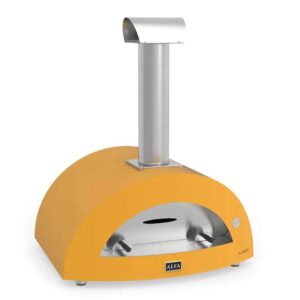
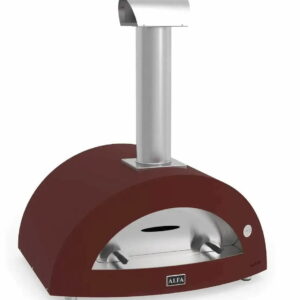
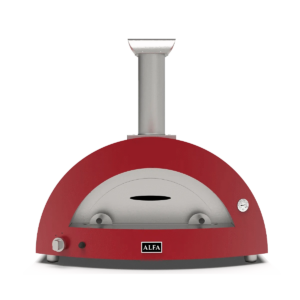
Alfa Allegro Wood Fired Pizza Oven, Top Only
It is characterized by its spacious oven base, making it Alfa's largest semi-professional model. With the ability to prepare up to 5 pizzas or 11 pounds of bread at a time, it easily accommodates gatherings of 15 to 30 people. This wood-fired oven quickly reaches cooking temperature in just 20 minutes
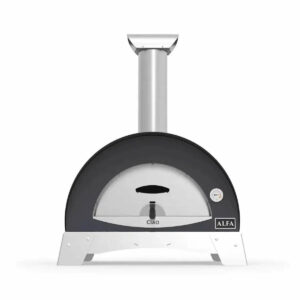
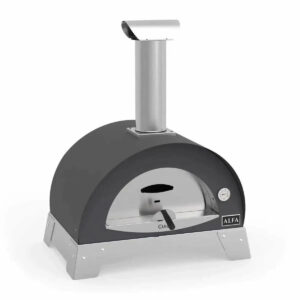
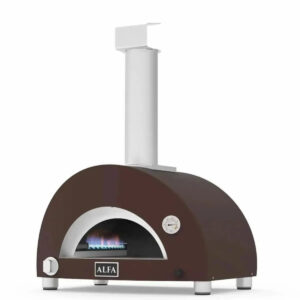
Alfa Ciao wood-fired outdoor pizza oven
Improves your backyard pizza with its powerful performance and impeccable design. With a fireproof base and stainless steel dome, the Alfa Ciao wood-fired outdoor pizza oven offers enough space to bake two pizzas at the same time, making it ideal for entertaining guests or entertaining a crowd. With
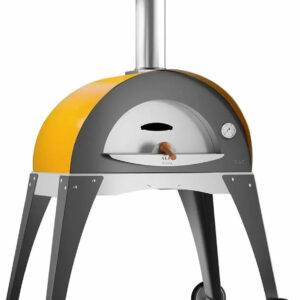
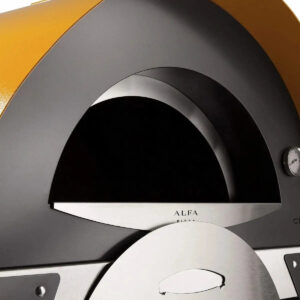
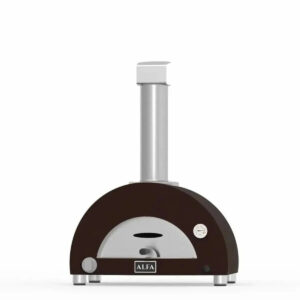
Alfa Ciao wood stove in fire yellow with gray base
A powerful addition to your outdoor cooking system. With a fireproof base and stainless steel dome, this oven can accommodate two pizzas at once and is perfect for entertaining a crowd. The Alfa Ciao wood-fired pizza oven quickly reaches cooking temperature in just 15 minutes, ensuring you can enjoy
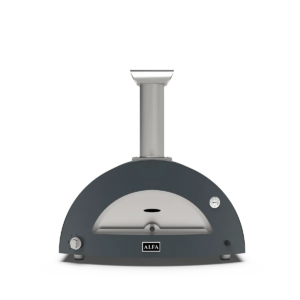
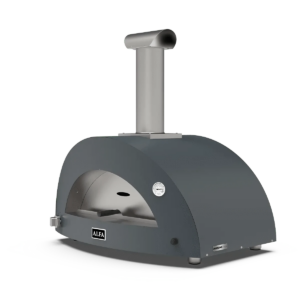
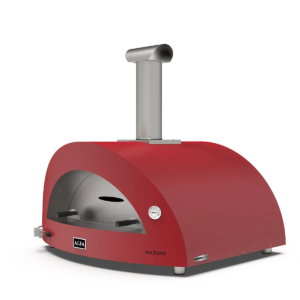
Alfa Moderno 3 Pizza pizza ovens
Bring the popular taste of Neapolitan pizza into your home and provide the perfect solution for serving crispy, melt-in-your-mouth pizzas to a crowd in just 30 minutes after lighting. Crafted with Italian precision and innovation, this oven combines modern design with compact size, making it an ideal addition
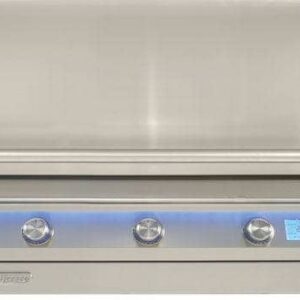
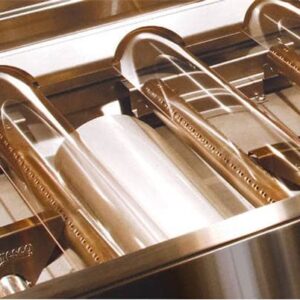
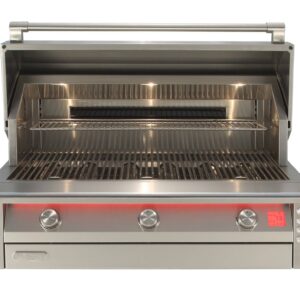
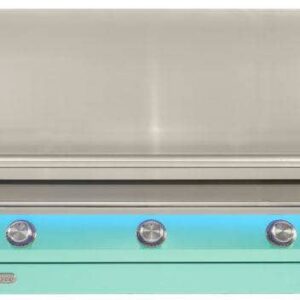
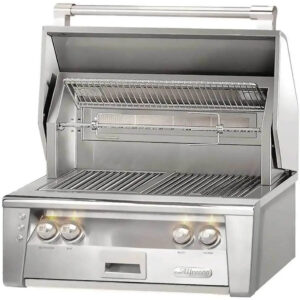
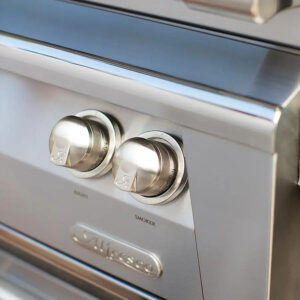
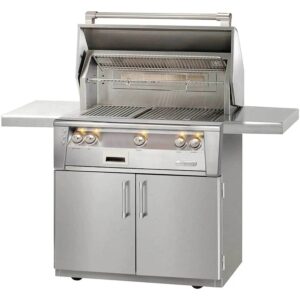
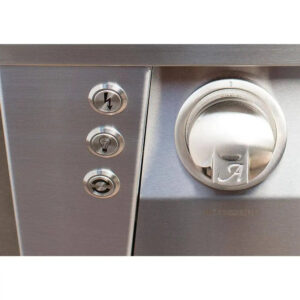
Alfresco ALXE 36″ gas grill on cart
Designed to simplify your grilling experience and deliver consistent and flavorful results every time. The Alfresco ALXE 36-inch gas grill is equipped with three durable stainless steel main burners that can produce an impressive 82,500 BTUs of power. This grill ensures that your meals are cooked to perfection
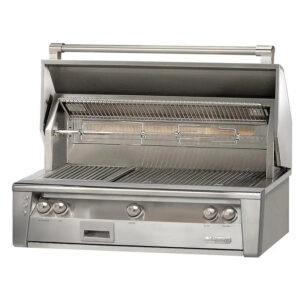
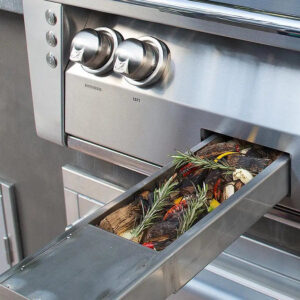
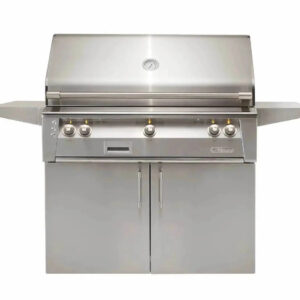
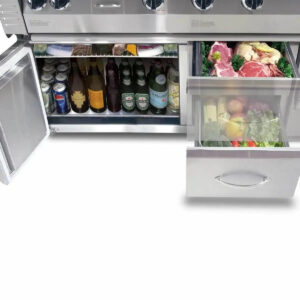
Alfresco ALXE 42″ gas grill on cart
The epitome of great outdoor cooking. With its generous 770 square inches of grilling surface and three durable stainless steel burners, you're guaranteed tasty results every time you light it. The motorized integrated rotisserie and smoking system, complete with an herb diffuser, offers endless possibilities
Grills & Smokers: Your complete guide to the perfect outdoor experience
From a quick after-work steak to a 14-hour brisket from the smoker: Here you'll find everything you need to know about grills and smokers. With over 227 products, we accompany you from the first purchase decision to the perfect smoke ring.
Welcome to the world of barbecue. The Grills & Smokers category is the heart of our range and brings together everything that ensures real taste outside: pellet grills, gas grills, charcoal grills, ceramic kamados, electric grills and of course real smokers in all their designs. Regardless of whether you are looking for your first grill or want to upgrade your equipment from entry-level to professional level - on this page we will take you by the hand and explain the most important differences, techniques and purchasing criteria to you in a calm and understandable way.
Grilling has long been more than just a bratwurst on hot coals. It is a craft, a hobby and for many a real passion. There is a world of difference between crispy direct grilling at 300 degrees and patient low & slow cooking over eight hours - and both can be achieved perfectly with the right device. That's exactly why it's worth understanding the different systems and their strengths before you decide on a model. Let's find out together which grill or smoker suits you, your garden and your grilling style best.
Briefly: There is no one best grill. There is only the grill that is best you fits. Anyone who likes to grill spontaneously and quickly will make a different choice than someone who spends hours celebrating pulled pork on the weekend. Take the time to go through this guide - it's worth it.
The big overview: What types of grills are there?
The market is huge and each system has its own philosophy. We basically distinguish between five major types of grills, which differ significantly in terms of fuel, handling, temperature behavior and taste. In addition, there is the smoker's own world, to which we devote a detailed section below. Let's start with the classic grills that are found in most gardens.
Charcoal grill – the classic with soul
For many people, the charcoal grill is the epitome of grilling. The crackling of the coal, the unmistakable taste of smoke and the original feeling of working with real fire - no other system offers this in this form. Charcoal reaches very high temperatures and is therefore ideal for strong branding on steaks and for classic direct grilling. Modern kettle grills can also be controlled with amazing precision: you can regulate the temperature using the air supply on the lid and base, and with an indirect coal arrangement you can even cook whole chickens or roasts.
The charm lies in the ritual. Lighting the coals, waiting for the embers to burn through, learning to read the fire – that’s all part of it. Anyone who gets involved will be rewarded with an aroma that gas and electric grills simply cannot deliver. The disadvantage: It takes longer until the grill is ready for use and cleaning is a little more difficult. But for purists, that's exactly part of the fun.
Gas grill – fast, clean and precise
The gas grill is the pragmatist among grills. One turn of the control, the ignition clicks, and within a few minutes the grate is up to temperature. This spontaneity is unbeatable: If you want to grill after work during the week without having to wait half an hour for the embers to heat up, gas is the best option. You can also create different temperature zones using several separately adjustable burners - a hot zone for frying and a milder zone for indirect cooking. This makes the gas grill extremely versatile.
Modern gas grills today offer much more than just burners and grate. Side cookers, infrared sear zones, back burners for rotisserie spit and integrated thermometer make them real outdoor kitchens. Anyone who values comfort, even heat and easy cleaning will find their system here. You can still recreate the smoky charcoal taste with a smoker box and wood chips. You can find a large selection in our category Outdoor grills.
Pellet grill – the digital revolution
Pellet grills have revolutionized grilling in recent years. They burn pressed wood pellets, which are automatically transported into the combustion chamber via a screw conveyor. A fan and an electronic control keep the set temperature constant - often to within a few degrees. This means: You set 110 degrees, put your meat on the grill and the grill practically takes care of the rest. Many models can even be controlled and monitored via an app.
The special thing about the pellet grill is the combination of comfort and real wood smoke aroma. Depending on the type of pellet - hickory, beech, cherry, oak or apple - you give your grilled food different flavor nuances. Pellet grills are real all-rounders: They can smoke, cook indirectly, bake and, in many models, grill directly. For anyone looking for the smoker experience without constantly adding wood, the pellet grill is the ideal bridge between convenience and aroma.
Kamado / ceramic grill – the all-rounder made of clay
Originally from Asia, the Kamado grill is made of thick ceramic that retains and insulates heat exceptionally well. This design makes the Kamado extremely efficient: with little coal you can achieve very low temperatures for hours of smoking as well as a blazing 350 degrees and more for pizza or steaks. The ceramic keeps the moisture in the cooking chamber, which means that meat stays particularly juicy.
A Kamado is an all-rounder. Smoking, grilling, baking, drying – hardly any other device covers so many disciplines at such a high level. The solid ceramic wall also makes it insensitive to outside temperatures, making it the ideal all-year-round grill. The investment is higher than with a simple kettle grill, but you get a device for life. Anyone who wants to exploit the full aroma spectrum and doesn't feel like making compromises will love the Kamado.
Electric grill – the uncomplicated solution
The electric grill is the perfect choice for anyone who has little space or grills where an open fire is not permitted - for example on the balcony or covered terrace of a rented apartment. It is simply plugged in, heats up quickly and produces neither sparks nor heavy smoke. This makes it clean, safe and low-maintenance. For city dwellers, the electric grill is often the only realistic option for grilling at all.
Of course, an electric grill does not reach the extreme temperatures of a charcoal grill and does not provide the classic smoky aroma. It scores points with constant heat, easy handling and uncomplicated cleaning. For vegetables, fish, sausages and quick meals it is absolutely sufficient and an honest, practical solution.
Grill types in direct comparison
So that you can compare the systems at a glance, we have summarized the most important properties in a table. It doesn't replace personal advice, but it does give you solid guidance.
| Grill type | Heating time | Smoke aroma | Temperature range | Ideal for |
|---|---|---|---|---|
| Charcoal | 20-30 mins. | Very high | up to ~350 °C | Steaks, purists, ritual fans |
| gas | 5-10 mins. | Low (possible with box) | ~150-320°C | Spontaneous grillers, comfort fans |
| pellet | 10-15 mins. | High | ~70-260°C | All-rounder, tuxedo beginner |
| Kamado | 15-25 mins. | High | ~90-350°C+ | All-rounder, all-season griller |
| Electric | 5-10 mins. | Very low | ~100-250°C | Balcony, city, beginners |
Smoker in detail: The premier class of barbecue
Now things are getting serious. The smoker is the device for everyone who wants to celebrate real American barbecue to perfection. Unlike classic grilling, here the meat is not cooked over direct heat, but rather the meat is cooked over many hours at a low temperature in hot, aromatic smoke. The result: buttery, fall-off-the-bone ribs, effortlessly pulled pulled pork, and brisket with a dark, flavorful crust and that coveted pink smoke ring.
Smoking is patience in edible form. It's not about speed, it's about dedication. Once you get involved, you'll quickly understand why barbecue is its own culture in the USA. But not all smokers are the same – there are different designs, each with their own strengths and characteristics.
Offset smoker – the classic sidebox smoker
The offset smoker is the icon of American barbecue. A characteristic feature is the firebox on the side in which the wood or coal burns. The smoke and heat move from there into the large, horizontal cooking chamber and escape through the chimney at the opposite end. This means that the meat is never exposed to direct flame, but is instead surrounded by aromatic smoke.
A good offset smoker requires experience and attention. You need to regularly feed the fire with logs and control the temperature via the air supply and chimney. That's exactly the appeal for many people: you actively work with fire and learn to read it. It is important that the material is sufficiently thick - thick-walled steel stores heat better and ensures more uniform temperatures. Thin metal sheets cool down quickly and make temperature management a test of nerves.
Water smoker – compact and beginner-friendly
The water smoker (also called bullet smoker) is constructed vertically and has a water bowl between the fire and the food to be grilled. The water fulfills two tasks: it buffers the temperature and keeps it stable at a low level, and it ensures moisture in the cooking chamber so that the meat does not dry out. This design makes the water smoker very docile and forgiving - ideal for anyone who wants to get into smoking.
Thanks to its compact, high design, a water smoker takes up little space and keeps the set temperature surprisingly constant for many hours thanks to the water bowl. You have to intervene less often than with an offset smoker, but you still get the real wood smoke aroma. For your first ribs and pulled pork, the Watersmoker is an excellent and affordable choice.
Pellet smoker – smoke on autopilot
The pellet smoker is basically the smoker version of the pellet grill described above, only consistently geared towards low and slow cooking. The electronic control with automatic pellet feed keeps the temperature extremely precise. You set 110 degrees, insert a core temperature probe into the meat and can concentrate on other things with peace of mind while the smoker works constantly for hours.
The pellet smoker is a gift for people with little time or the desire for predictable results. It takes the strenuous fire management out of your hands without making any major compromises on the aroma. Many barbecue fans therefore use it as a second device alongside a classic offset smoker - one for relaxed smoking during the week, the other for the weekend ritual with logs and flame.
Barrel smoker and UDS – the barrel as a smoker
The barrel smoker, often known as UDS (Ugly Drum Smoker), is based on a vertical barrel. The coal lies at the bottom in a basket, the food to be grilled hangs or lies high up, and the smoke moves past the meat on the way up. This simple design is surprisingly efficient: the draft in the barrel ensures clean combustion and a stable temperature for many hours with just one charcoal charge.
Barrel smokers are robust, uncomplicated and are valued by many as an inexpensive introduction to serious smoking. Thanks to the high barrel, you can also cook whole spare ribs hanging, which ensures a particularly even smoke circulation. If you're looking for the original, purist barbecue feeling and don't need any electronics, you'll find a loyal companion in the barrel smoker.
You can't speed up good barbecue. Low & Slow means: low temperature, lots of time and even more patience. If you rush, you get tough meat. Those who wait will be rewarded with tenderness.
This is how you find the right grill or smoker
Before you get lost in technical details, ask yourself a few honest questions. The answers will almost automatically lead you to the right device. Take a moment and think:
- How often and how spontaneously do you grill? After work every day speaks for gas or electric. On the weekend when you have time and leisure, you can opt for charcoal, kamado or smoker.
- What do you want to prepare? Pure steaks and sausages do not need a smoker system. Anyone who loves pulled pork, brisket and ribs can hardly avoid a smoker or pellet grill.
- How much space do you have? A large offset smoker needs a solid footprint. A water smoker or electric grill also fits on small terraces and balconies.
- How many people are you cooking for? The grill area should suit the size of the household and the typical number of guests.
- How much do you want to invest? A good grill is a purchase that will last for many years. Quality pays off in terms of durability and grilling results.
If you are unsure, you often start with a versatile all-rounder. A high-quality kettle grill or pellet grill covers an enormous range and allows you to take your time to find out which direction excites you the most. You can always add special equipment to your setup later.
Buying criteria: What you should pay attention to when it comes to quality
A grill is an investment, and you can recognize good quality by several features. You should always check these four criteria, no matter which system you choose.
Material and workmanship
The material has a decisive influence on longevity and grilling behavior. Thick-walled steel and high-quality stainless steel retain heat better, rust more slowly and ensure even temperatures. When it comes to smokers, the thicker the wall, the more stable the temperature and the better the result. Look for clean welds, well-closing lids and sturdy hinges. A lid that doesn't close tightly allows valuable smoke and heat to escape and makes temperature control difficult.
Cast iron grates also deserve attention. Cast iron retains heat excellently and provides strong branding, but requires seasoning and maintenance. Stainless steel grates are easier to clean, but produce a slightly less pronounced burn pattern. Both options have their place – decide based on your priorities.
Grill surface and cooking space
The grill surface should suit your needs. An area that is too small will force you to grill in multiple batches, while an area that is too large will use unnecessary fuel when you are only cooking for two people. The division is also important: Can an indirect zone be set up? Is there a warming rack? With smokers, the usable volume of the cooking chamber also counts, especially if you want to cook whole pieces of breast or several racks of ribs at the same time.
Temperature control
The ability to precisely control and maintain temperature is what separates good devices from mediocre ones. Adjustable ventilation sliders, tight-fitting lids, a reliable lid thermometer and, in the case of electronic devices, precise control are crucial. Especially when cooking low and slow over many hours, a stable temperature makes the difference between a perfect and a disappointing result. A separate, precise thermometer is part of the basic equipment for ambitious grillers.
Security and stability
A grill must be secure. Stable legs, a robust chassis and lockable castors are not a luxury, but rather important for safe operation. With gas grills, you should pay attention to reliable ignition, tested hoses and regulators, and well-thought-out grease drainage. Heat-resistant handles and good burn protection round off a well-thought-out device.
The most important BBQ techniques
A good grill is only half the battle - the technology makes perfect. These are the basic methods you should know to use your device to its full potential.
Direct grilling
When grilling directly, the food is placed directly above the heat source. This method is suitable for anything that cooks quickly and needs a strong crust: steaks, sausages, vegetables, burger patties. The high heat caramelizes the surface and creates the typical roasted aromas through the so-called Maillard reaction. Direct grilling is quick and intense - perfect for thinner cuts that are ready in minutes.
Indirect grilling
When grilling indirectly, the food is placed next to, not above, the heat source, and the closed lid turns the grill into a convection oven. This means that larger pieces such as whole chickens, roasts or thick pieces of ribs cook evenly without burning on the outside. This technique is the basis for almost all longer cooking processes and can be used on any grill with a lid - from kettle grills to gas grills to kamados.
Low & Slow
Low & Slow is the heart of real barbecue. At temperatures between around 100 and 130 degrees, tough pieces of meat rich in connective tissue are cooked for many hours. During this time, the collagen-rich connective tissue transforms into tender gelatin and the meat becomes incredibly juicy and tender. Pulled pork, brisket and spare ribs are the classic representatives. Patience is the most important ingredient here - a brisket can take twelve to fourteen hours.
Smoke
Smoking complements low and slow cooking with the aroma component of smoke. Burning wood creates aromatic smoke, which gives the meat its distinctive taste and the coveted pink smoke ring for hours. The choice of wood clearly influences the aroma: hickory and oak are strong, beech is mild and versatile, fruit woods such as apple and cherry bring a subtle sweetness. Feel free to experiment – this is where every pitmaster’s personal style begins.
Reverse sear
Reverse sear is the supreme discipline for thick steaks. Instead of searing the meat first, cook it indirectly at a low temperature to just below the target temperature. Only at the end do you give it over full direct heat for a short time to create a perfect crust. The result is an evenly pink steak from edge to edge with a crispy outside - without the gray, overcooked ring that often results from classic searing.
Pro tip: Invest early in a good core temperature thermometer. Nothing improves your results as quickly and reliably as checking the core temperature. You stop guessing and start cooking with precision. You can find suitable accessories in our category Grill accessories.
Core temperatures: The most important table for grillers
The core temperature is the most reliable indicator of the perfect cooking point. Unlike cooking times, which depend on countless factors, the core temperature tells you exactly when your meat has reached the desired condition. The following table gives you solid guidelines for the most common grilled dishes.
| Meat / dish | cooking point | Core temperature |
|---|---|---|
| Beef steak | Rare | 48-52°C |
| Beef steak | Medium rare | 53-56°C |
| Beef steak | medium | 57-60°C |
| Beef steak | well done | from 68 °C |
| Pork fillet/roast | Cooked juicy | 62-65°C |
| Pulled pork | Pluckable | 90-94°C |
| Brisket (beef breast) | Buttery tender | 90-95°C |
| Spare ribs | Fall off the bone | 88-92°C |
| Chicken (whole) | Cooked through | from 75 °C |
| Chicken breast | Juicy | 72-74°C |
| Salmon/Fish | To the point | 55-60°C |
An important note: Meat continues to cook after it is taken out. This so-called carry-over can increase the core temperature by a few degrees. Therefore, take steaks off the grill about two to three degrees before the target temperature and let them rest briefly. The resting time also distributes the meat juices evenly so that everything doesn't spill onto the plate when you cut it.
Accessories: What really makes sense
The right accessories make grilling easier, safer and often better. You don't need everything at once, but some helpers are part of the basic equipment of every ambitious griller:
- Core temperature thermometer: The most important helper of all. Wireless or Bluetooth models allow you to monitor the temperature remotely.
- High-quality barbecue tongs and spatulas: Long enough to keep away from the heat and sturdy enough for heavy pieces.
- Heat-resistant gloves: Indispensable when handling hot grates, coal and cooking chambers.
- Smoking box and wood chips: Bring real smoke aroma even on the gas grill.
- Grill brush or rust cleaner: For a clean grate before and after grilling.
- Pizza stone: Converts many grills into a full-fledged pizza oven. If you're serious, take a look at ours too Pizza ovens to.
- Cover: Protects your device from the weather and significantly extends its lifespan.
Care and maintenance: This is how your grill will last a lifetime
A well-maintained grill grills better, lasts longer and is more hygienic. The good news: With a few routines you can avoid the most common damage. It's best to clean the grate while it's still warm - burnt-on residue will then come off most easily. You should empty the fat trap and drip trays regularly to avoid grease fires.
Cast iron grates need to be seasoned and cared for with a little oil so that they do not rust and develop a natural non-stick layer. From smokers and charcoal grills, it is worth removing ash after it has completely cooled down, as it draws moisture and promotes corrosion. A cover protects against rain, UV radiation and dirt - a worthwhile small investment, especially in winter. On gas grills, you should regularly check the hoses and connections for leaks, the easiest way is with a little soapy water, which forms bubbles if there are leaks.
Common mistakes – and how to avoid them
Every griller makes mistakes, especially at the beginning. You can save yourself this one:
- Turn too early and too often: Give the meat time to separate from the grill and form a crust. Constant turning disrupts this process.
- Open the lid constantly: Every opening during indirect cooking costs heat and extends the cooking time. There's an old pitmaster saying: If you look, you're not doing anything.
- Cook according to time instead of temperature: Cooking times are only rough guidelines. Trust the thermometer, not the clock.
- Do not plan rest time: If you cut the steak immediately, you will lose the juices. A few minutes of rest makes a big difference.
- Wrong or wet wood for smoking: Use dry, untreated wood. Damp wood produces bitter, unpleasant smoke.
- Grilling with cold meat: Allow larger pieces to come to room temperature before grilling so they cook more evenly.
Smoking also requires that you not allow yourself to be unsettled by the so-called plateau phase. With low & slow cooking, the core temperature appears to stay the same for hours because evaporating water cools the meat. This is completely normal. Maintain the temperature, be patient, and eventually the core temperature will rise again. Many beginners turn up the heat here out of nervousness - a classic mistake that worsens the result.
Why you should buy from us
With over 227 carefully selected products, we offer you one of the most extensive selections of grills, smokers, pizza ovens and outdoor kitchens. But selection alone does not make a good shop. We care about real advice, honest recommendations and products that we stand behind. We grill and smoke ourselves with passion and know exactly what is important – from the first spark to the last bite.
If you're unsure which device is right for you, let's talk. We take the time to answer your questions, help you make your selection and support you even after the purchase. Quality, specialist knowledge and a range for every requirement – that is our promise. Browse through our offerings at your leisure and find the grill or smoker that will take your outdoor cooking to a new level.
Whether you're just starting out or are already one of the experienced pitmasters: Here you'll find the right equipment, accessories and knowledge to bring great things to your plate outdoors. Let's work together to make your next barbecue the best your guests have ever tasted.